News & Commentary
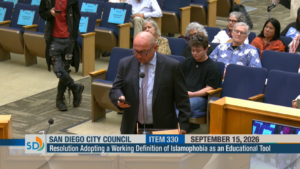
ACLU-SDIC Public Comment - Support for San Diego City Council's Anti-Muslim Hate Resolution
By Eddie Meyer



ACLU-SDIC Public Comment – Support for San Diego County Board of Supervisors Board Letter Regarding AB 2760 to Prohibit Shock Gloves
By Eddie Meyer
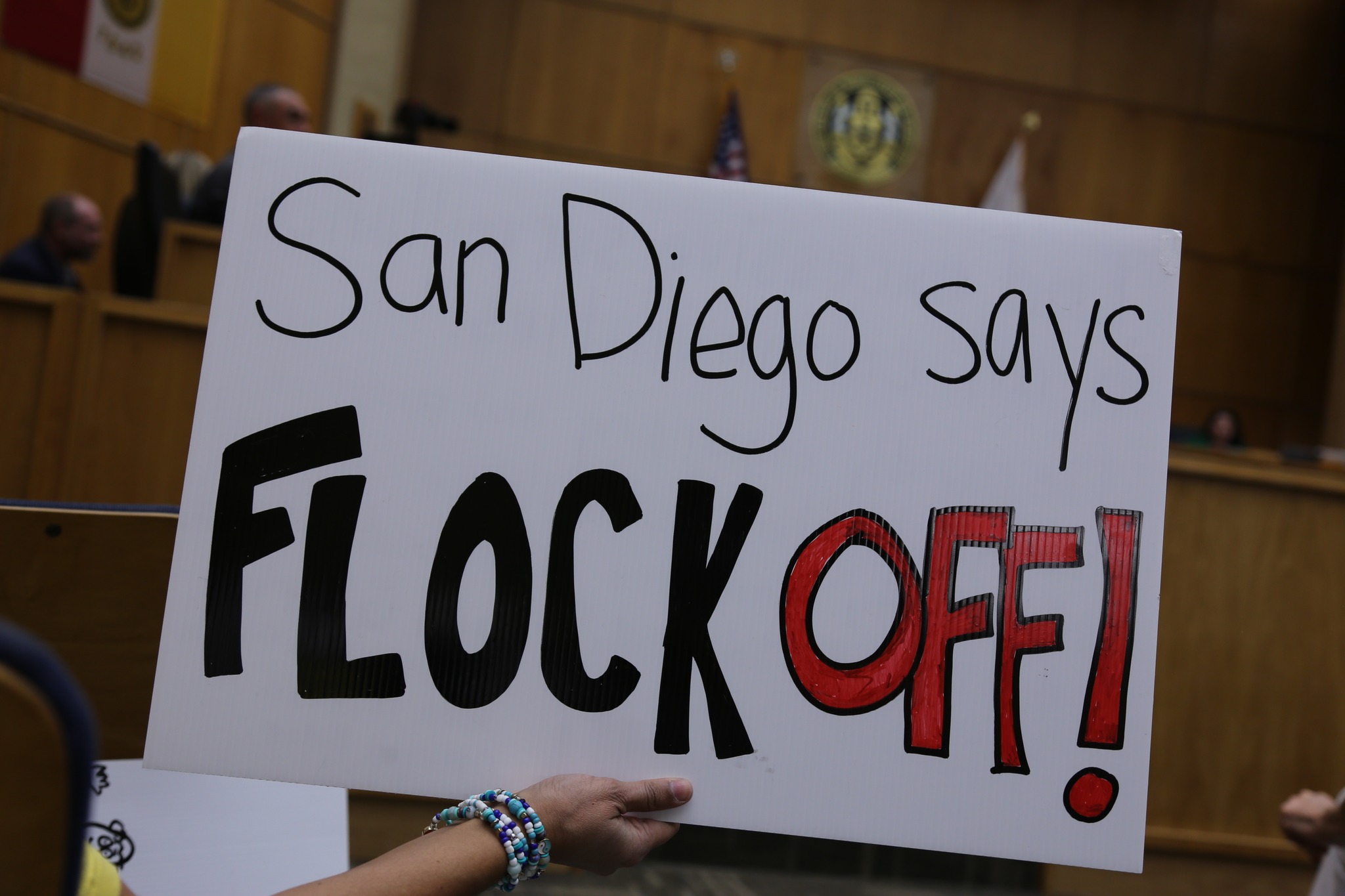
ACLU-SDIC Public Comment – End City of San Diego's ALPR Contracts
By Branden Sigua
ACLU-SDIC Public Comment – City of San Diego Risk Management Presents on Settlements & Judgments Against SDPD
By Branden Sigua
Interested in Volunteering Your Legal Services?
Thank you for your interest in working with the ACLU to protect and advance the civil liberties of all persons. The ACLU could not pursue its mission without the support and assistance of volunteer attorneys who partner with ACLU staff lawyers in the vast majority of cases litigated by the organization.
Opportunities exist for projects small and large, from legal research appropriate for summer associates to major impact cases that will demonstrate to all your firm's resolve to protect civil liberties and help the lives of real people in our community.
We are also available to participate in forums or informal brown bag lunches at your firm to brief your attorneys on our work and opportunities for collaboration.
If you and/or your firm have an interest in learning more about the process of becoming an ACLU cooperating attorney, please contact us by phone or email, or write us at the address below.
David Blair-Loy, Legal Director
ACLU Foundation of San Diego & Imperial Counties
PO Box 87131
San Diego, CA 92138-7131
619-232-2121
info [at] aclusandiego [dot] org

Legal Disclaimer
The information and materials on this web site are intended for informational purposes only and are not intended to be treated as legal advice.
The information is general in nature, and may not apply to particular factual or legal circumstances.
Neither the web site nor the use of information from the web site creates an attorney-client relationship.
Unsolicited e-mails and information sent to the ACLU and ACLU Foundation of San Diego & Imperial Counties do not create an attorney-client relationship.
ACLU Legal Director Named "2009 Top Attorneys 2009"
July 8, 2009
The legal director of the ACLU of San Diego & Imperial Counties, David Blair-Loy, was named as one of San Diego's top attorneys in an annual competition sponsored by the San Diego Daily Transcript.
Available for Your Club, Workshop, Seminar, Debate & More!
Contact us to request a speaker for your event or program from our Speaker's Bureau of lawyers and other civil liberties advocates who are prepared to discuss a variety of civil liberties issues and the work of the ACLU.
Please help us figure out the best possible speaker for your event by indicating:
2012 Fellowship Opportunity
The ACLU Foundation of San Diego & Imperial Counties (ACLU-SDIC) seeks applicants to sponsor for public interest fellowships beginning in the Fall of 2012. America's foremost advocate of individual rights, the American Civil Liberties Union is a non-partisan organization founded in 1920. With national headquarters in New York and Washington D.C. and 53 affiliates throughout the country, it is widely regarded as one of the nation's premier public interest law firms.
The ACLU-SDIC promotes and defends civil rights and civil liberties, including freedom of speech, immigrants� rights, equal protection, privacy, and due process, through litigation and public education. Located in beautiful San Diego, the ACLU-SDIC affiliate has sixteen staff members, eighteen board members, more than 8,500 members and an annual budget of $1.2 million.
Fellowship Sponsor Opportunity:
ACLU-SDIC seeks applicants to sponsor for public interest fellowships such as Skadden or Equal Justice Works to begin Fall 2012. ACLU-SDIC is particularly interested in sponsoring a candidate who will work on a project defending and expanding civil rights and civil liberties in one of the following categories: Border Justice/Immigrants� Rights, National Security, Voter Empowerment, or Racial Justice, though proposals in other areas may be considered. Proposed projects should combine litigation and advocacy with community outreach and public education. The proposal should not include direct legal services.
The ACLU staff will work with candidates to finalize their proposals and applications.
Qualifications:
� Must graduate law school in or before summer 2012.
� Admitted to California bar, or sit for July 2012 California bar exam
� Excellent legal research and writing skills.
� Skilled at complex analytical legal work.
� Committed to advancing civil rights and civil liberties.
Salary and Benefits:
To be determined on an individual basis.
Application Procedure:
Individuals interested in receiving ACLU-SDIC sponsorship should send a letter of interest describing a potential project or projects, a resume, an unofficial transcript, the names and telephone numbers of two legal references, and a legal writing sample by email to jmorgan@aclusandiego.org or by mail to:
Stay Informed
Sign up to be the first to hear about how to take action.
By completing this form, I agree to receive occasional emails per the terms of the ACLU’s privacy statement.
By completing this form, I agree to receive occasional emails per the terms of the ACLU’s privacy statement.