News & Commentary
ACLU-SDIC Public Comment - Support for San Diego City Council's Anti-Muslim Hate Resolution
By Eddie Meyer



ACLU-SDIC Public Comment – Support for San Diego County Board of Supervisors Board Letter Regarding AB 2760 to Prohibit Shock Gloves
By Eddie Meyer
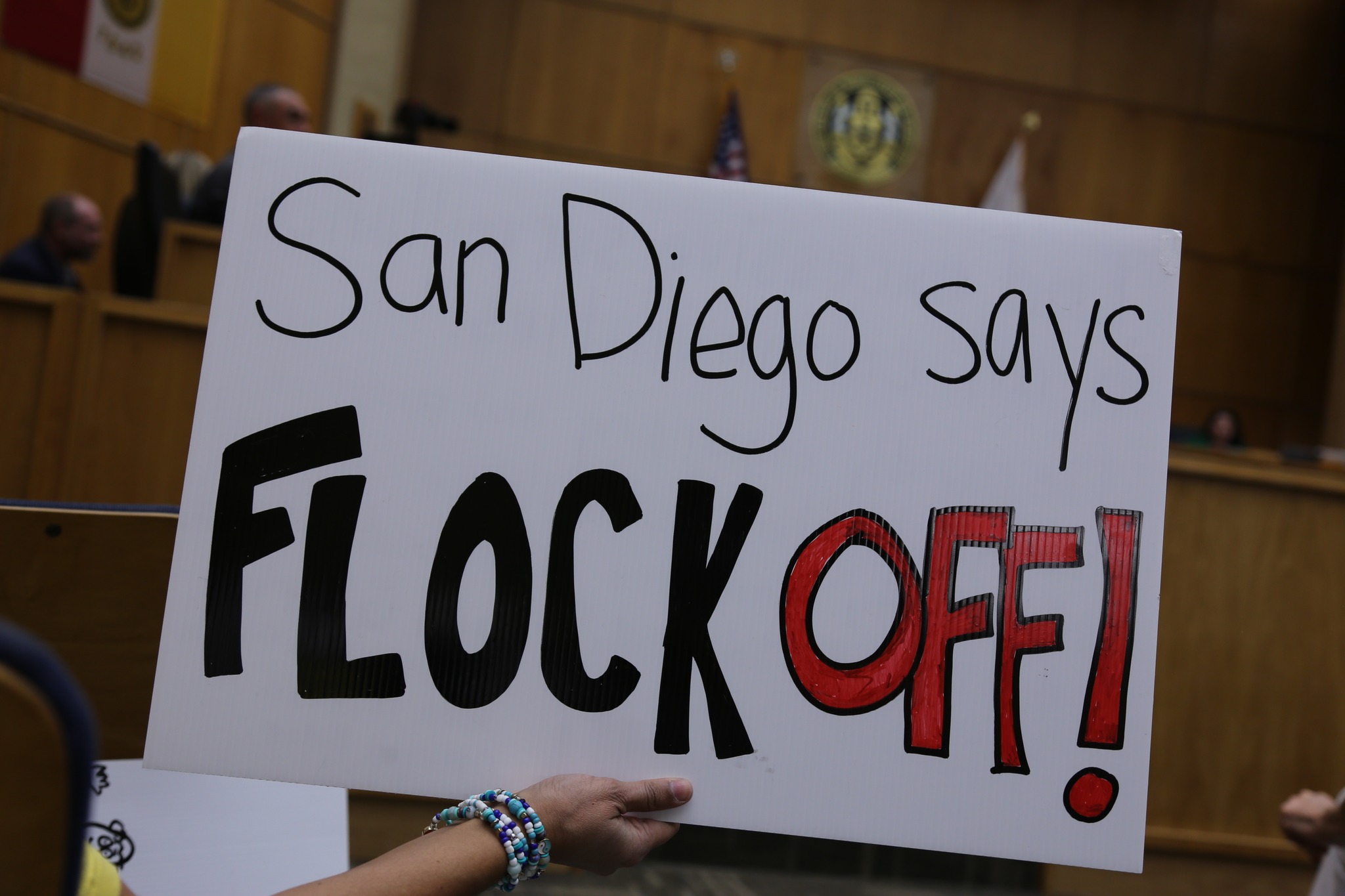
ACLU-SDIC Public Comment – End City of San Diego's ALPR Contracts
By Branden Sigua
ACLU-SDIC Public Comment – City of San Diego Risk Management Presents on Settlements & Judgments Against SDPD
By Branden Sigua
SDACLU Executive Director's Statement on SDSU Study of SDPD Stop Data
Good afternoon, Council President Pro Tem Emerald and members of the committee.
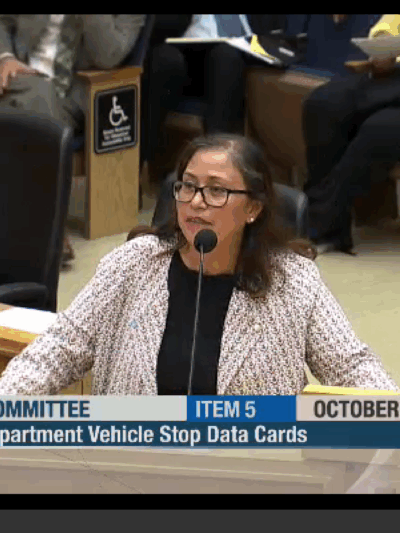
Today’s conversation about SDSU’s analysis of SDPD traffic stop data is long overdue, and unfortunately the information we have been provided by the Mayor’s office leaves a lot of unanswered questions. Our first request is that the public be provided with specific information today regarding when the final report will be completed, and more importantly, when it will accessible for public review and comment.
When concerns are raised about racial bias in local policing, the response is often that San Diego is not Ferguson or Baltimore – meaning that there is no need to improve on police practices and relations in the region because massive numbers of people haven’t taken to the streets in protest. San Diego has not experienced civil unrest at the levels seen in other cities. Even so, there have been intimidating, brutal, and sometimes deadly encounters between law enforcement and
The Path to Police Transparency
Release of SDPD traffic stop data analysis as promised is imperative for police transparency, accountability and public trust, says San Diego ACLU.

SDACLU Statement Regarding Police Apology For ‘Historical Mistreatment of Communities of Color’
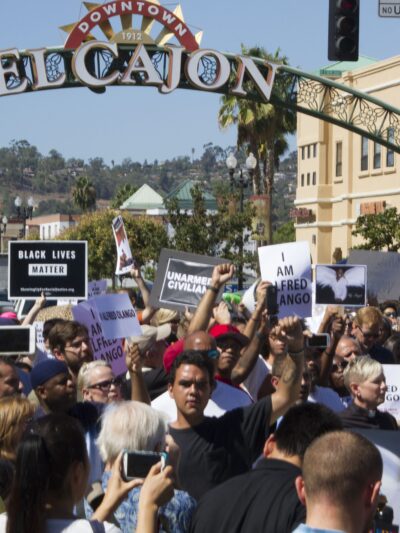
San Diego ACLU Seeks Public Records Related to ECPD Officer’s Shooting of Alfred Olango
SAN DIEGO, CA – In response to community concerns about the conduct of law enforcement leading up to and in the aftermath of the killing of Alfred Olango, the ACLU of San Diego & Imperial Counties sent public record requests to the County of San Diego and the City of El Cajon seeking information concerning policies and protocol for interacting with people experiencing mental health crises, and also El Cajon Police Department policies and protocol for responding to public protest.
SDACLU November 2016 Voter Guide
There's a lot at stake in this election. Besides electing our future leaders, Californians will vote on statewide initiatives that will strongly impact our civil liberties and civil rights. While the American Civil Liberties Union is nonpartisan and does not endorse candidates, we do weigh in on ballot measures that affect our civil rights and civil liberties.
Haciendo que las cosas sean más justas en CA, un proyecto de ley a la vez
NUESTROS MÁS GRANDES LOGROS
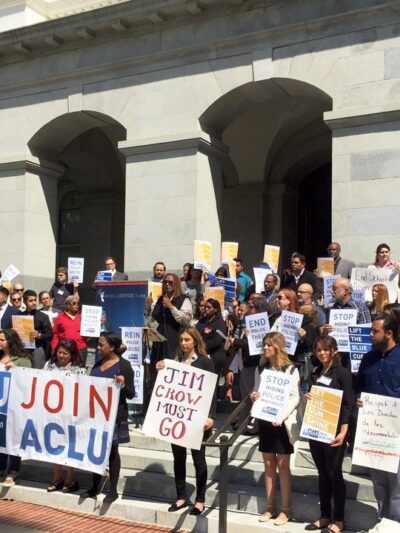
Making Things More Fair in CA, One Bill at a Time
OUR GREATEST ACCOMPLISHMENTS
California now has some of the s
San Diego ACLU Seeks Answers Related to Arrests at a Peaceful Vigil at Site of Alfred Olango Killing
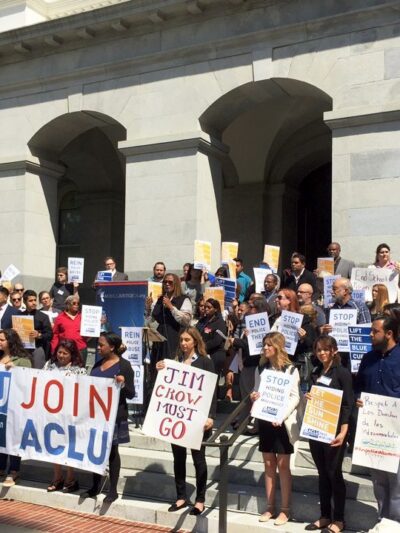
SAN DIEGO – In response to a video post by a community member at what appears to be a peaceful vigil at the site of the killing of Alfred Olango, the ACLU of San Diego & Imperial Counties sent a letter today requesting information from the El Cajon Police Department (ECPD) concerning the arrests of individuals at the vigil on the evening of Saturday, October 1, 2016.
Stay Informed
Sign up to be the first to hear about how to take action.
By completing this form, I agree to receive occasional emails per the terms of the ACLU’s privacy statement.
By completing this form, I agree to receive occasional emails per the terms of the ACLU’s privacy statement.