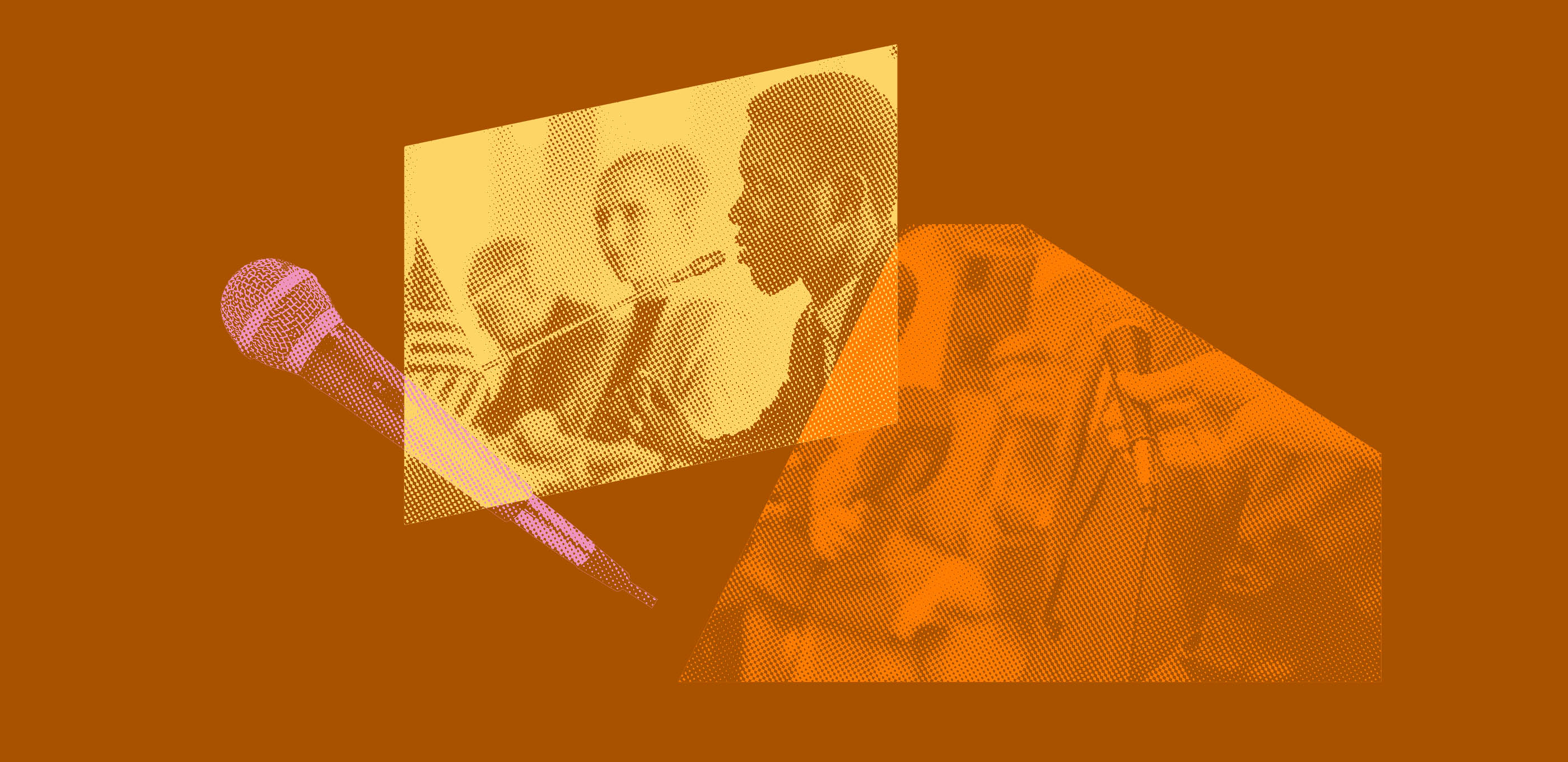
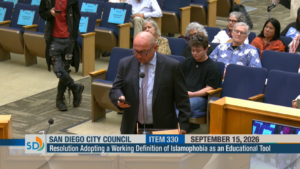
Eddie Meyer, Senior Policy Advocate at the ACLU-SDIC, gives public testimony at the San Diego City Council meeting. He is bald, wears black glasses, is wearing a black suit with a blue collared shirt and a purple tie. At the bottom of the image is a running header, that says "San Diego City Council; Item 330; September 15, 2026". Underneath is another bar that says "Resolution Adopting a Working Definition of Islamophobia as an Educational Tool".

ACLU-SDIC Public Comment - Support for San Diego City Council's Anti-Muslim Hate Resolution

The following prepared public comment outlines the ACLU-SDIC's support for a resolution advocating for the passage of the Anti-Muslim Hate Resolution. This public comment was delivered before the San Diego City Council by ACLU-SDIC Senior Policy Advocate Eddie Meyer on September 15, 2026.

By Eddie Meyer

Latest Press Release


Federal Court Blocks Unlawful Warrantless Immigration Arrests in Southern California

Ruling requires federal agents to assess escape risk before making a warrantless arrest and also certifies case as class action
Placeholder image

More from the Press


Placeholder image

Stay informed on civil rights issues. Discover our latest actions and updates in the Press Release section.

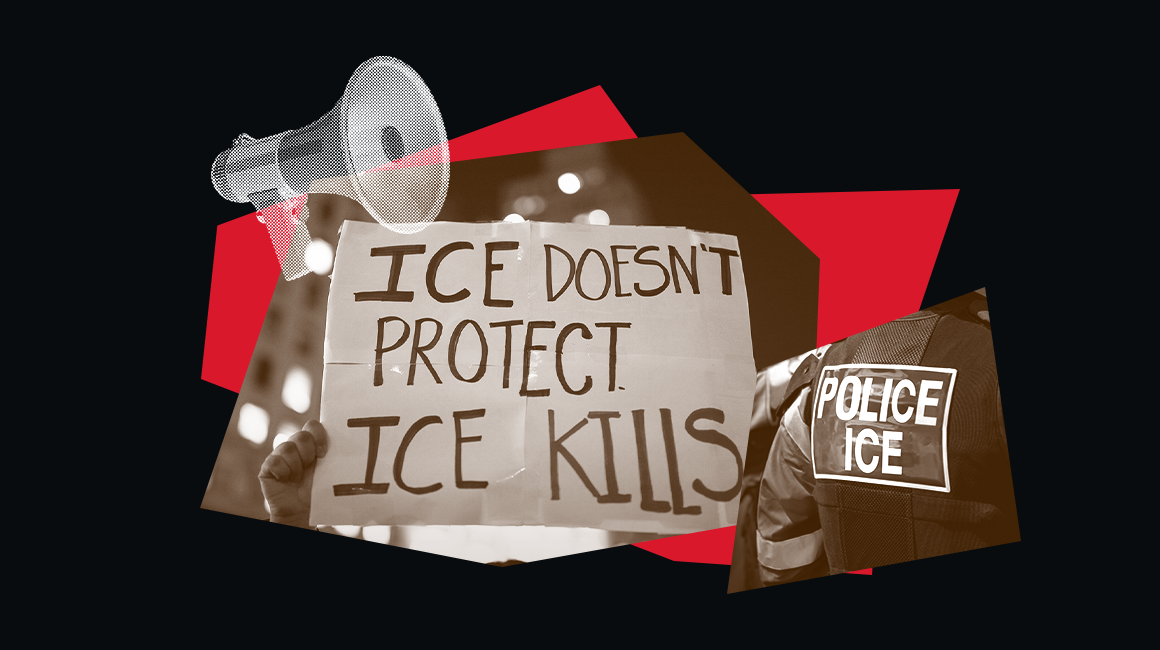
Graphic with black background and red graphic. Photos include a megaphone, a sign that says "ICE doesn't protect ICE kills" and a photo of "Police ICE".

ACLU-SDIC Public Comment – Support for San Diego County Board of Supervisors Board Letter Regarding AB 2760 to Prohibit Shock Gloves

The following prepared public comment outlines the ACLU-SDIC's support for a Board Letter advocating for the passage of California Assembly Bill 2760. This public comment was delivered before the San Diego County Board of Supervisors by ACLU-SDIC Senior Policy Advocate Eddie Meyer on September 1, 2026.

By Eddie Meyer

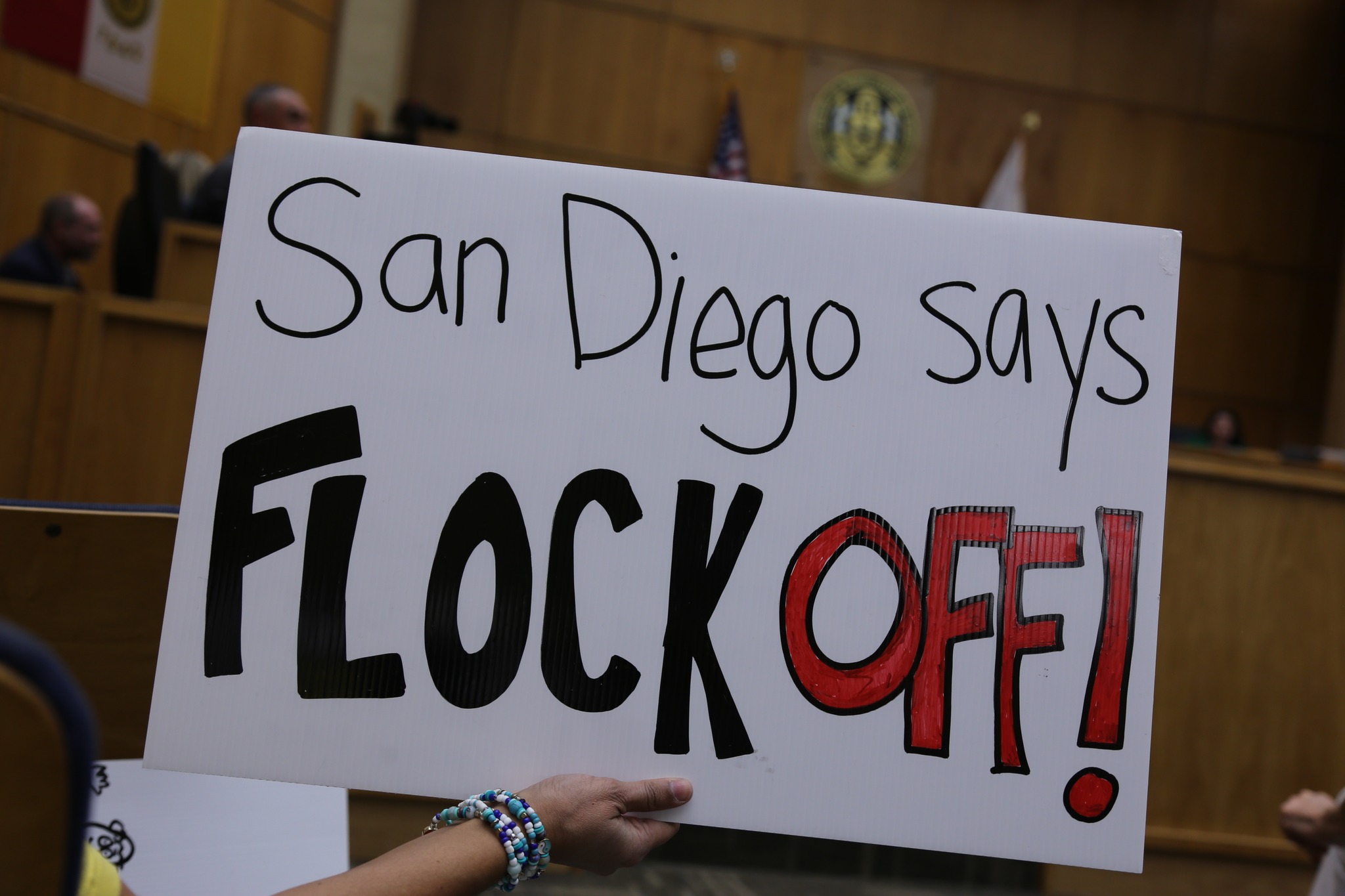
Sign that says San Diego says Flock Off!

ACLU-SDIC Public Comment – End City of San Diego's ALPR Contracts

The following public comment outlines the ACLU-SDIC's support for ending the City of San Diego's automated license plate reader (ALPR) system contracts. This public comment was delivered before the San Diego City Council Public Safety Committee meeting by ACLU-SDIC Senior Policy Advocate Branden Sigua on August 19, 2026.

By Branden Sigua

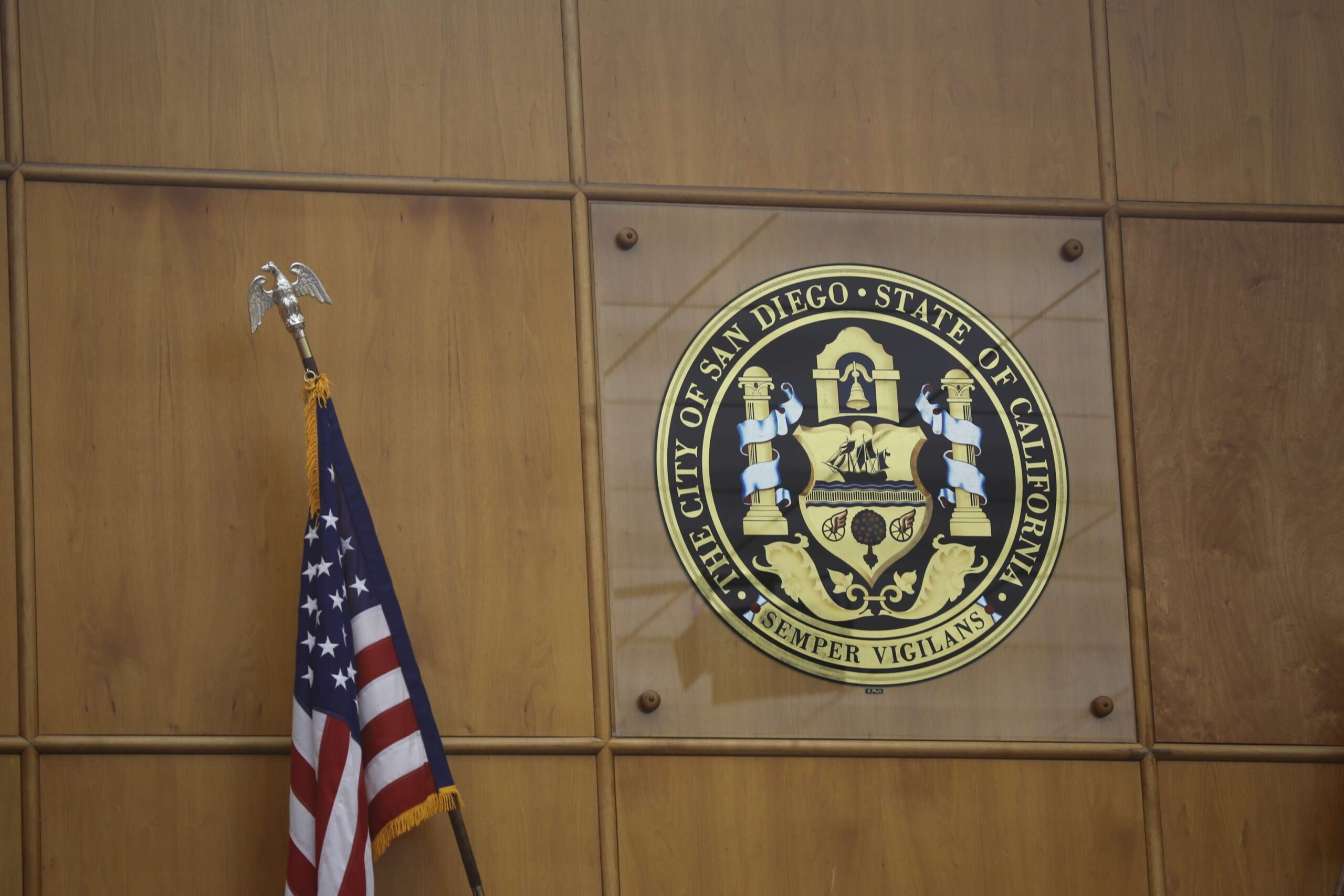
Photo of City of San Diego seal in the city council chambers. An American flag is in the left bottom corner.

ACLU-SDIC Public Comment – City of San Diego Risk Management Presents on Settlements & Judgments Against SDPD

The following prepared public comment, following a presentation by the City of San Diego’s Risk Management on settlements and judgments against the San Diego Police Department (SDPD), outlines the significant amount of city funds used for these SDPD settlements and how that money would be better spent investing in our communities. This public comment was delivered before the San Diego City Council Budget and Government Efficiency Committee by ACLU-SDIC Senior Policy Advocate Branden Sigua on June 17, 2026.

By Branden Sigua

Palm Cards

Placeholder image

LGBT Rights Worksheet

Placeholder image

Happy Loving Day!

lovings-young.jpg

City Council Celebrates 100 Years of Free Speech in San Diego

Placeholder image

Bill of Rights: Amendments to the United States Constitution

Placeholder image

The ACLU Mandate: What rights are guaranteed in the Bill of Rights?

Placeholder image

Fighting for Free Expression: Censoring Others Leads to Others Censoring You

Download our poster of Books That Never Should Have Been Censored.
What is censorship?
Censorship is the suppression of words, images, or ideas that are offensive and occurs whenever some people succeed in imposing their personal political or moral values on others. Censorship can be carried out by the government as well as private pressure groups. Censorship by the government is unconstitutional.

What does artistic freedom include?
The Supreme Court has interpreted the First Amendment's protection of artistic expression very broadly. It extends not only to books, theatrical works and paintings, but also to posters, television, music videos and comic books--whatever the human creative impulse produces.

Two fundamental principles come into play whenever a court must decide a case involving freedom of expression. The first is "content-neutrality"--the government cannot limit expression just because any listener, or even the majority of a community, is offended by its content. This means tolerating some works that we might find offensive, insulting, outrageous, or just plain bad.

The second principle is that expression may be restricted only if it will clearly cause direct and imminent harm to an important societal interest. The classic example is falsely shouting fire in a crowded theater and causing a stampede. Even then, the speech may be silenced or punished only if there is no other way to avert the harm.

Censorship and the ACLU
Freedom of speech is protected in the First A

Placeholder image

1960 Flashback - 40th Anniversary Issue of ACLU's Civil Liberties Newsletter: Looking Back at Looking Back

Placeholder image

On A.L. Wirin - One of Our Legends: Lawyer fought for rights of all, by Paul Weeks

Placeholder image