News & Commentary
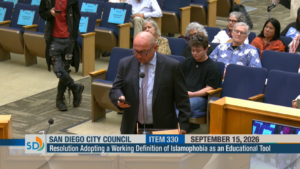
ACLU-SDIC Public Comment - Support for San Diego City Council's Anti-Muslim Hate Resolution
By Eddie Meyer



ACLU-SDIC Public Comment – Support for San Diego County Board of Supervisors Board Letter Regarding AB 2760 to Prohibit Shock Gloves
By Eddie Meyer
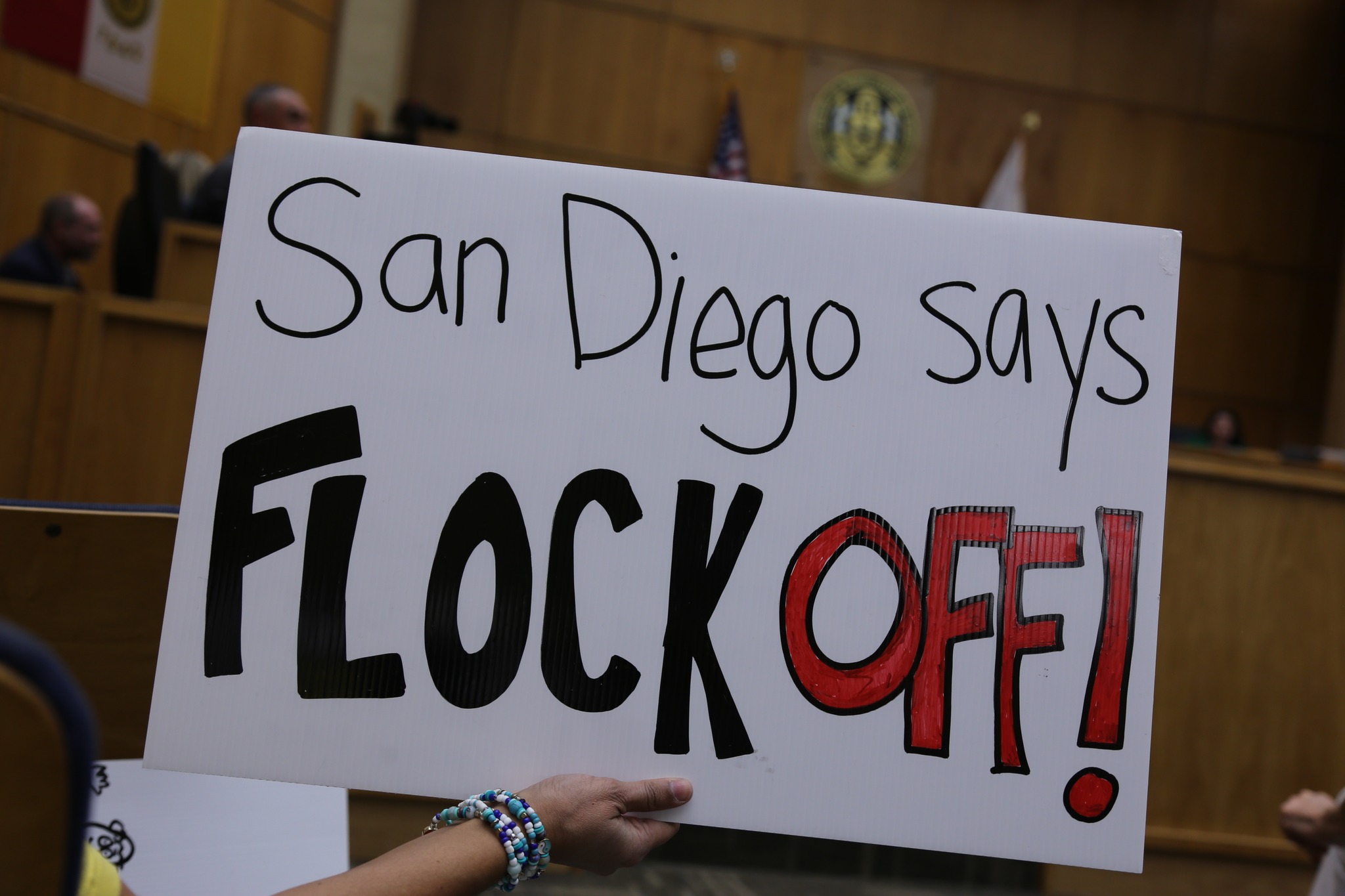
ACLU-SDIC Public Comment – End City of San Diego's ALPR Contracts
By Branden Sigua
ACLU-SDIC Public Comment – City of San Diego Risk Management Presents on Settlements & Judgments Against SDPD
By Branden Sigua
Californians Sentenced Under Realignment Have the Right to Vote, Argue Civil Rights Advocates

SAFE CA Campaign to Replace Death Penalty Submits 800,000 Signatures to Qualify for November Ballot
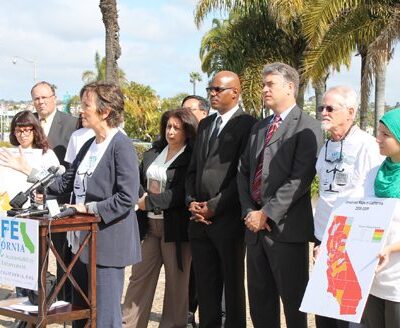
ACLU Victory Guarantees That Public Education Remains Free For All Children in California

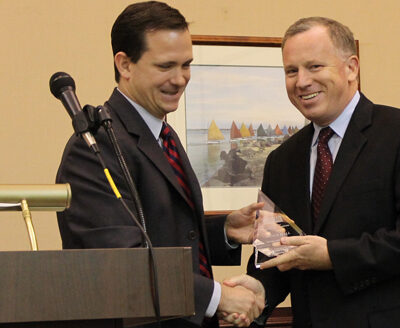
ACLU Honors Local Reproductive Rights Champion with Special Civil Liberties Award
Kevin Keenan, San Diego ACLU's executive director, presents Marston Award to Vince Hall.
SAN DIEGO - Today, at its
Free Speech Prevails for Students Throughout San Diego
SAN DIEGO – A year after the principal of La Jolla High School whitewashed students’ political messages from its free speech benches, the ACLU of San Diego & Imperial Counties and the San Diego Unified School District agreed to a settlement greatly strengthening the free speech rights of all district students. The settlement goes well beyond the senior benches at La Jolla High, marking a major victory for student speech in California and the nation. The settlement includes an updated and constitutionally-sound free speech policy for all students in the San Diego Unified School District.
Stay Informed
Sign up to be the first to hear about how to take action.
By completing this form, I agree to receive occasional emails per the terms of the ACLU’s privacy statement.
By completing this form, I agree to receive occasional emails per the terms of the ACLU’s privacy statement.