News & Commentary
ACLU-SDIC Public Comment - Support for San Diego City Council's Anti-Muslim Hate Resolution
By Eddie Meyer



ACLU-SDIC Public Comment – Support for San Diego County Board of Supervisors Board Letter Regarding AB 2760 to Prohibit Shock Gloves
By Eddie Meyer
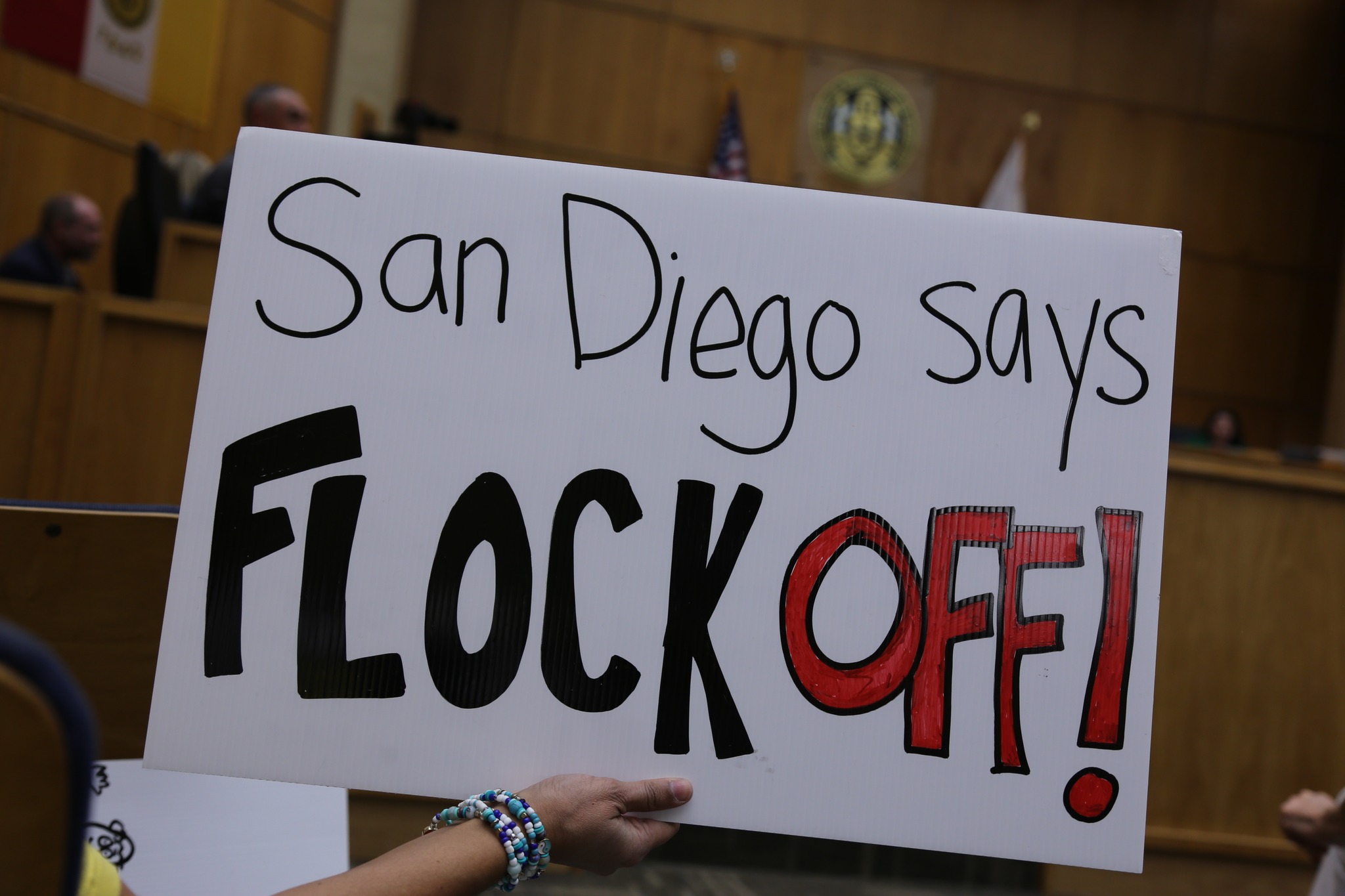
ACLU-SDIC Public Comment – End City of San Diego's ALPR Contracts
By Branden Sigua
ACLU-SDIC Public Comment – City of San Diego Risk Management Presents on Settlements & Judgments Against SDPD
By Branden Sigua
Deported Veterans: Banished from Their Own Country
"They raised their right hands and swore to defend the Constitution," Stock told the Los Angeles Times. "They thought that made them citizens."
Other veterans say that they in fact filed their naturalization paperwork while they were in the military, but the federal government lost the paperwork or never responded. Still others say that the military could have helped them naturalize during basic training, but failed to do so. The Pentagon reports that since 2009, about 9,800 men and women have earned their citizenship during basic military training. More than 89,000 people have received citizenship through military service since 9/11.
It is important to note that naturalization after deployment has long been a benefit provided to servicemen. As early as the Civil War, immigrants have played a pivotal role in the U.S. military. One in six troopers in George Custer’s 7th Cavalry at the Battle of the Little Big Horn was an Irish immigrant. The promise of U.S. citizenship after military service has been a long-standing practice that provided immigrants with a highly valued avenue to naturalization. The history of military service in America would be significantly different without the inclusion of immigrants and the promise of citizenship that followed.
In recent years, as veterans return from Iraq and Afghanistan, they find adjusting to civilian life to be difficult. Many of them struggle with PTSD and substance abuse as they work to regain a sense of the lives they led before suffering the trauma of war.
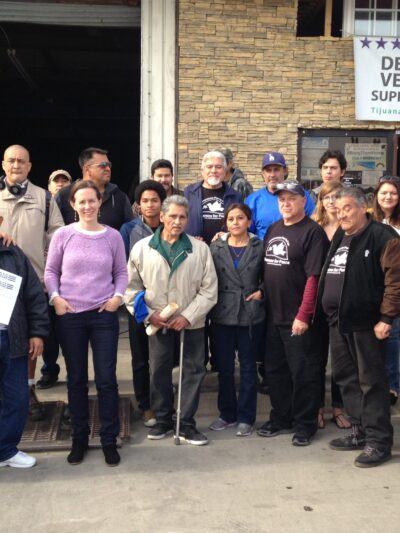
The ACLU of California is partnering with Deported Veterans Support House, a shelter and resource center for deported veterans based in Tijuana, Mexico, on a project to end the unjust deportati
A Woman With a Disability and PTSD Waited For an Asylum Interview.
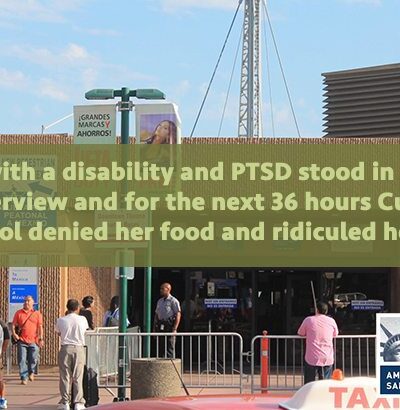
Last Thursday, March 17, Nicole Ramos, a U.S. immigration lawyer, escorted her client M. to the San Ysidro Port of Entry. M. is a Mexican transgender woman who has a disability and PTSD seeking asylum in the United States. U.S. law requires an asylum seeker like M. to appear at the port of entry for a credible fear interview and initial processing by U.S. Customs and Border Protection (CBP) officers. Accordingly, M. entered the line for asylum processing at the port.
For the next thirty-four hours, the CBP officers on duty failed to provide M. with any food.
SDACLU's Border Litigation Project Protests CBP's Denial of Food to Asylum Seekers
Today, the ACLU of San Diego’s Border Litigation Project sent a complaint letter to U.S. Customs and Border Protection, protesting CBP’s denial of food to asylum seekers awaiting credible fear interviews at the San Ysidro Port of Entry.

En materia de abusos del gobierno, democracia y pobreza, California tiene trabajo que hacer
Justicia penal
SB 443 (Mitchell)–No más vigilancia policial con fines de lucro: SB 443 es un importante proyecto de ley que ratifica y protege los principios estadounidenses de imparcialidad y debido proceso en California. Durante años, las agencias policiales del estado han aprovechado una laguna legal que les permite quitarle dinero y bienes a la gente y quedarse con parte del botín debido a las leyes de decomiso civil. Establecidas durante el apogeo de la guerra contra las drogas, las leyes de decomiso civil fueron creadas para quitarle el botín a los capos de la droga, pero han sido pervertidas hasta convertirse en un ataque continuo sobre los californianos que no tienen dinero para luchar contra el gobierno en los tribunales, carga que afecta excesivamente a las personas de color de bajos recursos. SB 443 frena el abuso evitando que los agentes puedan decomisar permanentemente el dinero o los bienes de alguien que no ha sido encontrado culpable de un delito.
Es sencillo: Si la persona no es declarada culpable, la policía no puede quedarse con sus cosas.
SB 881 (Hertzberg) – No más lic
On Government Abuse, Democracy and Poverty, California Has Work to Do
Criminal Justice
SB 443 (Mitchell) – No More Policing for Profit: SB 443 is an important bill that upholds and protects the American principles of fairness and due process in California. For years, law enforcement agencies in the state have taken advantage of a loophole that lets them take innocent people’s cash and property, and then keep a portion of the loot through civil asset forfeiture laws. Created during the heyday of the war on drugs, asset forfeiture laws were meant to take booty away from drug “kingpins” but have been perverted into an ongoing attack on Californians who can’t afford to fight the government in court, a burden that falls disproportionately on low-income people of color. SB 443 reins in the abuse by preventing cops from permanently taking someone’s money or property if the person hasn’t been convicted of a crime.
It’s simple: if there’s no conviction, then cops can’t keep people’s things.
Stay Informed
Sign up to be the first to hear about how to take action.
By completing this form, I agree to receive occasional emails per the terms of the ACLU’s privacy statement.
By completing this form, I agree to receive occasional emails per the terms of the ACLU’s privacy statement.