In recent months, we
have seen a surge in the use of surveillance technologies, as they have become more powerful and easily available.
These technologies collect information about our whereabouts and other sensitive details about our lives
.
Often bankrolled by federal funds,
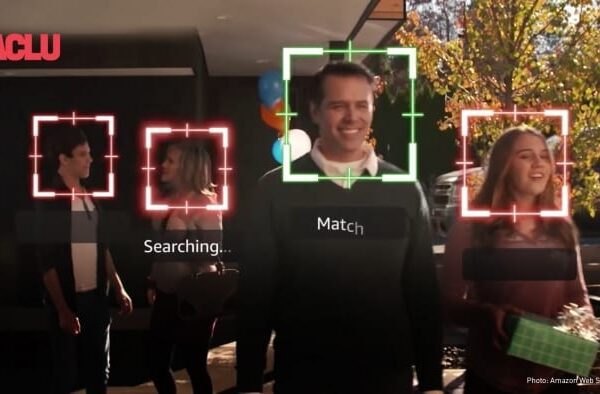
technologies like
automatic license plate readers
,
, and
systems
have invaded our communities without our knowledge or input.
This has not only changed the way we are policed, but also how we define the balance between safety and privacy
.
No, government spying is not new. However, the threat of its abuse is now greater than it ever has been in the past.
S
urveillance not only feeds databases that can be abused, it leads to real world harms that disproportionately affect immigrants, people of color, and Muslim Americans. Federal immigration authorities are increasingly seeking to exploit these local surveillance systems, often
without local knowledge. Earlier this year, for example,
that U.S. Immigration and
Customs Enforcement
(ICE)
had obtained access to a database operated by a company called Vigilant, which hosts license plate location data collected by local law enforcement agencies across the United States.
The overreaching doesn’t stop here.
,
learned that “
law enforcement had quietly been attending rallies and community meetings
”
to record and photograph attendees.
Being a person of color or an immigrant
are
not
acts of political dissent or protest. Most of all, none of these things
are crimes
that justify being monitored by any law enforcement agency.
What can we do now?
We must call upon
local government officials, law enforcement agencies, and tech companies to fully take into consideration the ramifications of using private
technologies in public
spheres, and
educate one another on the steps we can take to ensure that our personal data is secured.
As people are increasingly participating in actions and public protests, i
t is imperative that the community
take the proper precautions
to protect themselves from unwanted surveillance.
Knowing how to secure your devices and your personal information is critical to effective and safe advocacy practices.
The ACLU of San Diego & Imperial Counties will be h
osting an interactive session on digital privacy best practices on September 13
th
from 6:30-7:30 at Southwestern College in National City.
Attendees will have the opportunity to learn
what
surveillan
ce
actually looks
like, especially
for people of color
, and tip
s on how to protect themselves in the digital era that we live in.
Chloe Triplett, Policy Advocate, ACLU of San Diego & Imperial Counties